Elevate Your Exam Prep — Now Up to 50% Off

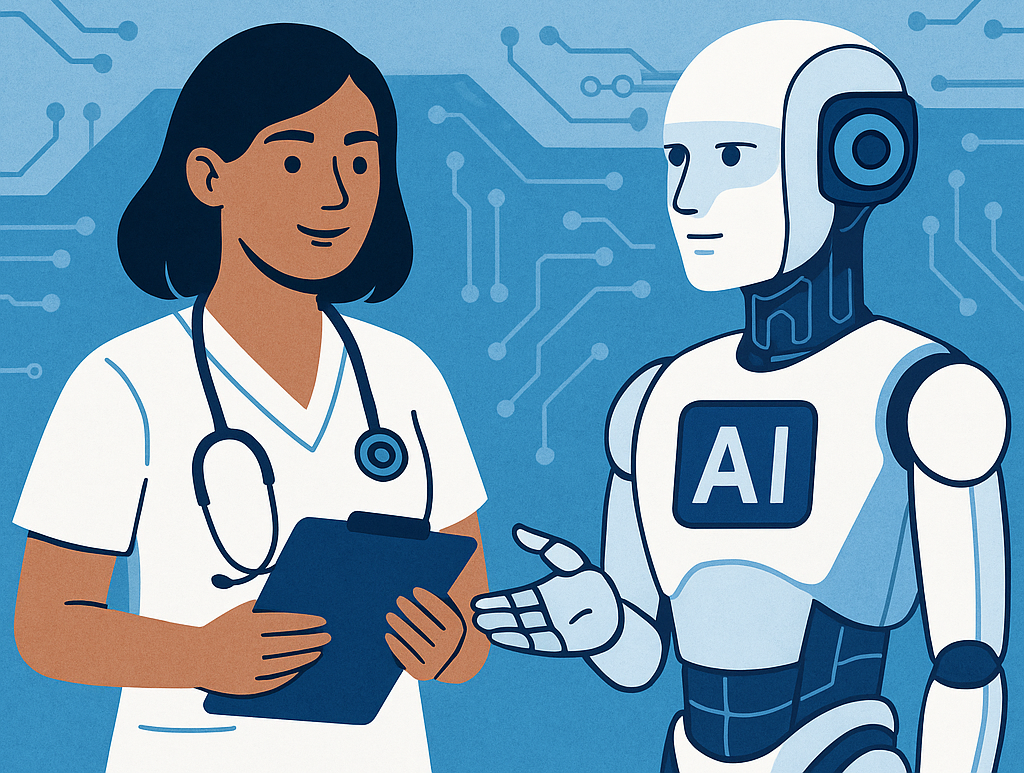
How AI Is Transforming Nursing Practice
Artificial Intelligence (AI) is revolutionizing nursing practice, offering a broad spectrum of innovative tools that enhance decision-making, reduce administrative burdens, and improve patient care. While AI will not replace the compassion and human connection nurses provide, it is reshaping how nurses deliver, monitor, and manage care. AI applications are a game changer in nursing practice, shaping clinical decision-making, documentation, nursing education, patient monitoring, staffing, and ethical dimensions.
AI in Clinical Decision-Making
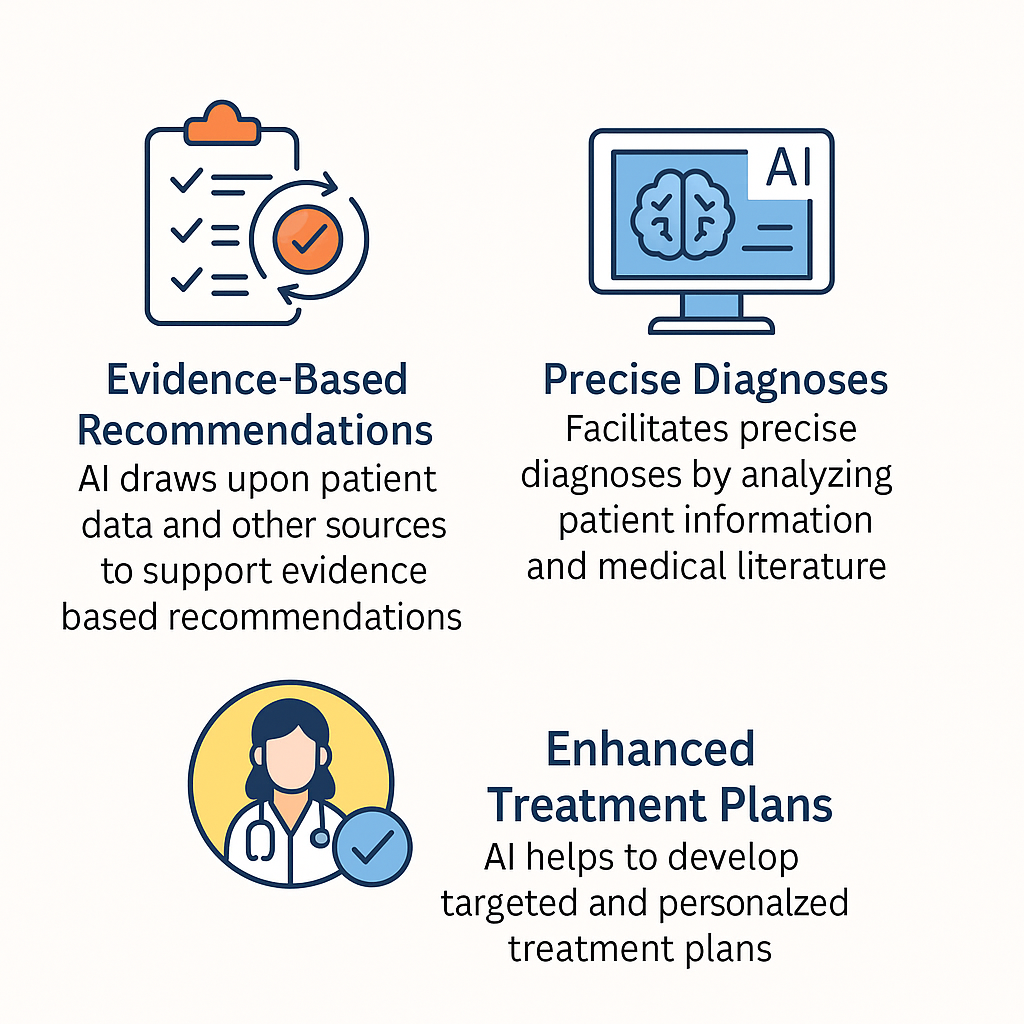
AI draws upon patient data and other sources to support evidence-based recommendations, facilitate precise diagnoses, and enhance treatment plans. In clinical settings, predictive analytics detects and employs patterns to allow nurses to anticipate medical events before they occur. Machine-learning models, for instance, can analyze a patient’s vital signs, lab values, and history to forecast the likelihood of conditions like sepsis or cardiac arrest. Such a proactive approach helps nurses intervene early, improving care quality and patient outcomes, as well as reducing mortality rates.
Nurses also benefit from AI-powered clinical decision support systems (CDSS), which offer timely alerts, reminders, and treatment suggestions based on real-time patient data. These tools are particularly useful in high-acuity environments like intensive care units, where quick decision-making is critical. For example, if a patient’s oxygen saturation begins to drop, a specialized AI system might alert the nurse and suggest necessary steps based on prior successful interventions.
AI assists nurses in managing chronic diseases by identifying patterns in long-term data. Nurses working in community or outpatient settings can use such information to tailor care plans, ensure medication adherence, and schedule timely follow-ups.
Human judgment, however, remains essential. AI provides useful data-driven suggestions, but it is the experience, empathy, and contextual understanding held by nurses that determine the final care decisions.
AI in Nursing Documentation
Documentation is a fundamental yet time-consuming aspect of nursing practice. Nurses spend a significant portion of their shifts entering data into electronic health records (EHRs), with major implications for burnout and sleep time. Integration of AI into nursing documentation automates tedious tasks, enhances record accuracy, and helps in safeguarding privacy.
Natural language processing (NLP) and voice recognition tools now allow nurses to dictate their notes directly into the system, bypassing the age-old need for manual data entry. These tools not only speed up the process but also improve accuracy by reducing typos and standardizing terminology. A nurse could simply state, “Patient tolerated medication well with no adverse effects,” and the AI system would automatically convert it into a correctly formatted EHR entry.
In addition to time saving, AI-driven documentation systems help maintain the integrity and completeness of patient records. They can flag missing data, suggest appropriate entries based on context, and crosscheck information for consistency. This approach is particularly useful during handoffs between shifts, where clear and accurate documentation ensures continuity of care.
Documentation errors pose serious threats in patient care with major implications for legal accountability. AI helps mitigate this risk by serving as a second set of eyes. It can detect discrepancies, highlight unusual entries, and even provide prompts when nurses overlook certain fields.
Ultimately, AI in documentation does not just benefit nurses—it improves patient safety and institutional efficiency. By reducing the administrative burden, nurses have more time and energy to dedicate to patient care, which directly enhances the quality of service delivered.
AI in Nursing Education and Training
AI is transforming nursing education and training in various ways:
- Adaptive learning platforms personalize learning materials to each student’s pace and style.
- AI-powered simulations provide realistic clinical scenarios for hands-on practice.
- Virtual patients allow safe and repeatable skill development.
- Automated assessments offer instant feedback and performance tracking.
- Natural language processing tools help interpret complex medical texts.
- Chatbots assist with 24/7 tutoring and content review.
- AI analytics identify learning gaps and suggest targeted resources.
- Immersive training with VR/AR guided by AI for enhanced engagement.
AI is transforming nurse training by personalizing learning and simulating complex clinical scenarios. Traditional nursing education often relies on static textbooks and lectures, which do not always reflect the dynamic nature of healthcare. AI changes this rigid element by offering interactive learning environments that adapt in real time.
Intelligent tutoring systems can assess a student’s strengths and weaknesses, and then customize their learning experience accordingly. For example, if a student struggles with cardiovascular assessment, the system can present additional case studies and quizzes focused on that topic. Over time, this personalized approach accelerates learning and boosts retention.
AI-powered simulations are also revolutionizing clinical training. Virtual patients react to nursing interventions based on real-world data and clinical guidelines. These simulations provide a safe space for students to practice critical thinking and decision-making without the risk of harming actual patients. They can simulate a wide range of conditions, from common cases like diabetes to rare emergencies.
Moreover, AI tools are useful in assessing nursing competencies. Training platforms can track how nursing students respond to various clinical scenarios and offer feedback not only on whether their actions were correct but also on the reasoning behind those actions. This promotes deeper learning and helps educators identify areas for further instruction.
As AI increasingly underpins clinical practice, exposing nursing students to these technologies early on prepares them for real-world integration. They learn not only how to use AI tools but also how to critically evaluate their recommendations—a vital skill in a technology-enhanced healthcare landscape.
A recommendation for nurses is to undertake further education and training to achieve seamless and safe integration of AI into nursing practice. For example, an initial course on understanding the principles of AI could be a starting point. Followed by a course touching on AI in the specific nursing practice area.
AI in Patient Monitoring
AI is revolutionizing patient monitoring by enabling continuous, real-time tracking of vital signs and health metrics, both in hospitals and outside. Traditional monitoring systems require constant human supervision and periodic manual measurements. AI changes the game by integrating with wearable devices, sensors, and smart monitors to provide uninterrupted oversight.
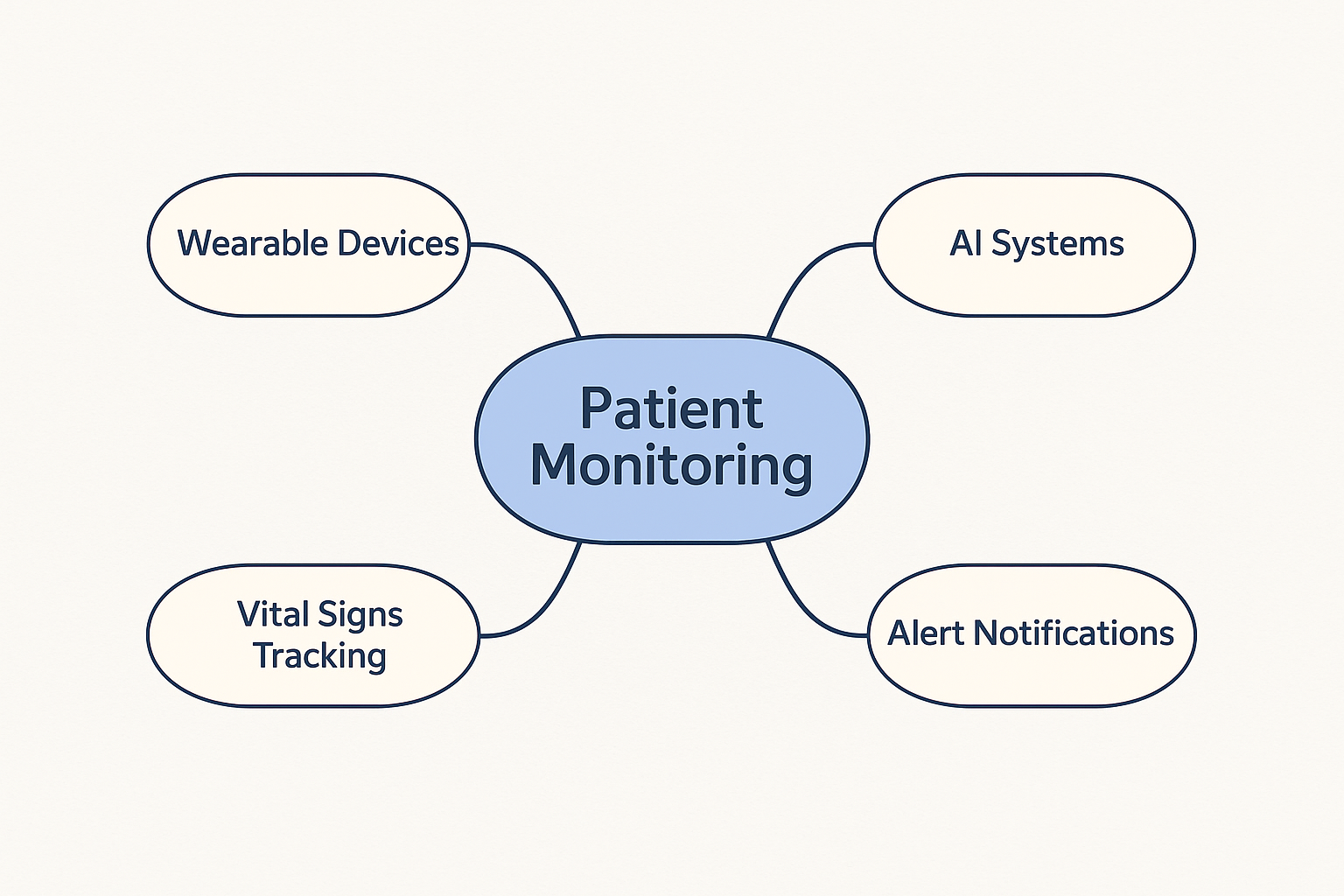
In critical care units, AI-powered systems analyze streaming data from patients to detect early signs of deterioration. For example, if a patient’s blood pressure begins to trend downward or if their heart rate becomes erratic, the AI can immediately notify the nursing staff and even suggest potential causes based on patient history and similar cases. This allows for faster interventions and reduces the risk of adverse outcomes.
In home health settings, wearable technology like smartwatches or biometric patches can continuously collect data such as glucose levels, oxygen saturation, and activity levels. These devices feed information to centralized AI systems that flag any abnormalities. Nurses can remotely monitor multiple patients and prioritize care based on AI-generated risk assessments.
Additionally, AI enhances alarm management. Traditional monitoring systems often trigger frequent false alarms, leading to “alarm fatigue.” AI helps filter out non-critical alerts by analyzing context and identifying patterns, reducing unnecessary disruptions and allowing nurses to focus on the most urgent cases.
AI-powered tools improve patient engagement. AI-enabled Apps can provide patients with real-time feedback on their health status, medication reminders, and educational tips. Nurses can then follow up with personalized advice based on data insights.
Overall, AI in patient monitoring ensures timely care, improves safety, and enables proactive nursing interventions. It represents a shift from reactive to predictive care, where nurses can focus on prevention rather than crisis management.
AI in Staffing
Effective nurse staffing is essential for quality care and workforce well-being. AI help to optimize staffing decisions by analyzing data such as patient acuity, nurse skill levels, historical admission trends, and hospital census forecasts. Applications include:
- AI-powered scheduling optimizes nurse shifts based on demand and availability.
- Predictive analytics forecast staffing needs during peak times.
- Workload balancing tools distribute tasks fairly across teams.
- Real-time staffing dashboards support quick adjustments.
- Attrition risk prediction helps managers plan ahead.
- AI-assisted recruitment screens candidates efficiently.
- Burnout detection algorithms flag early warning signs.
- Shift preference matching improves staff satisfaction.
Traditional staffing models often rely on fixed nurse-patient ratios, which may not account for variation in patient needs or sudden changes in workload. AI offers a more dynamic approach. Predictive algorithms can forecast daily admissions, discharges, and patient acuity levels, enabling nurse managers to allocate staff more efficiently. For instance, during flu season, AI can predict a surge in patient volume and recommend adjustments in scheduling before the crisis hits.
AI tools can also evaluate the workloads of nurses in real time. By integrating data from EHRs and patient care systems, the AI can determine how much time each nurse is spending on various tasks and identify who might be overloaded. This allows for smarter task delegation and supports nurse well-being.
AI also helps match nurses with units or roles that suit their skills and certifications. A nurse with advanced training in wound care, for example, might be assigned to patients with specific needs, enhancing care quality and job satisfaction.
From a budgetary standpoint, AI-assisted staffing can help reduce reliance on costly agency nurses by forecasting when regular staff will be sufficient. This not only saves money but also promotes consistency in patient care.
By moving beyond rigid staffing formulas, AI allows for flexible, responsive workforce planning. It helps ensure that nurses are not overworked, that patient needs are met appropriately, and that healthcare institutions operate more efficiently.
Ethical Dimensions
While AI offers numerous advantages, its integration into nursing practice raises important ethical concerns. Nurses, as advocates for patient safety and dignity, play a crucial role in ensuring responsible use of AI.
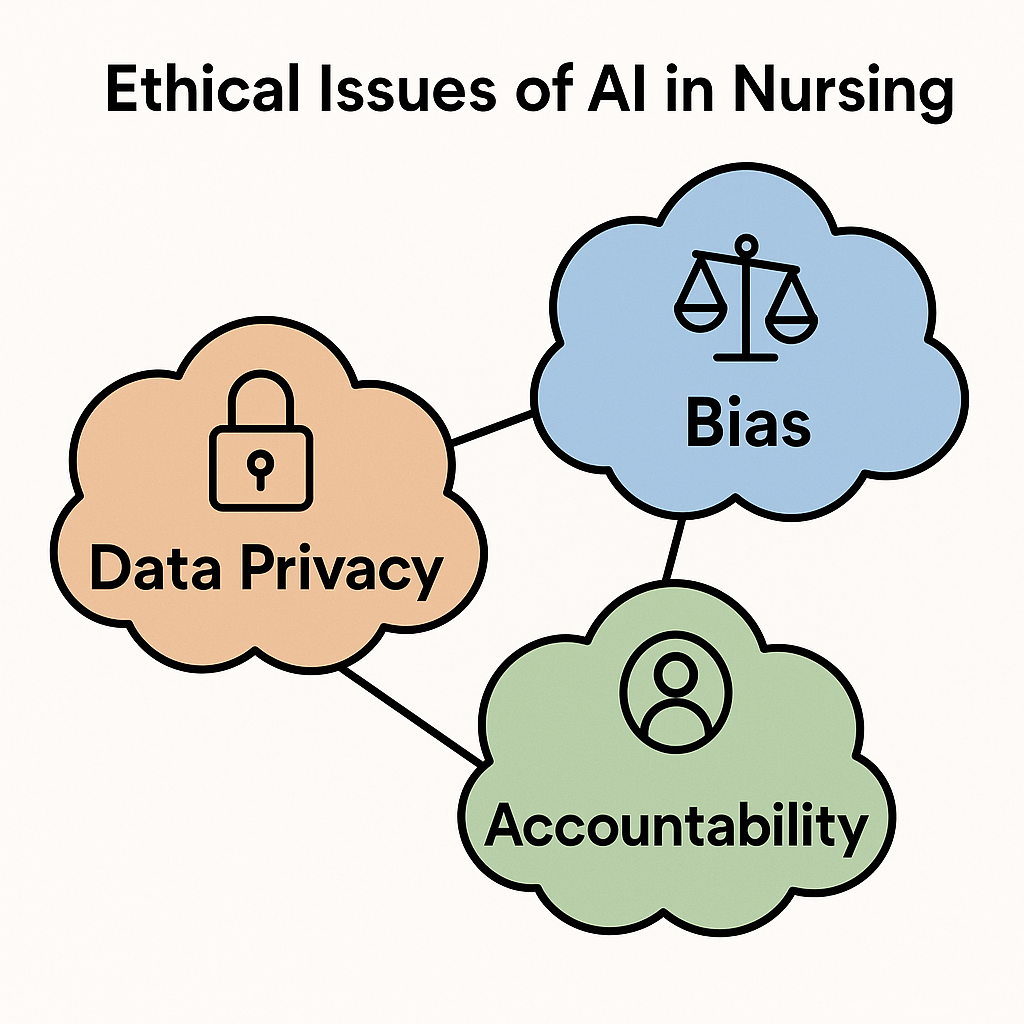
One major concern is data privacy. AI systems rely on vast amounts of patient information to function effectively. This raises questions about mechanisms for data collection, storage, and sharing. Nurses must ensure that patients are informed about how their data will be used and that consent is obtained ethically. Institutions must also implement robust cybersecurity measures to protect sensitive health information.
Bias in AI algorithms is another pressing issue. If the data used to train AI systems is not representative of diverse populations, the results can lead to disparities in care. For example, an AI tool trained primarily on data from white patients may not accurately assess risks in minority groups. Nurses need to be vigilant in recognizing these biases and advocating for the development of fair and inclusive technologies.
Accountability is also a concern. If an AI system makes a recommendation that leads to a negative outcome, who is responsible—the nurse, the software developer, or the institution? Clear guidelines and legal frameworks are necessary to address such situations. Nurses training is essential not only in how to use AI tools but also in how to question and override them when necessary.
Ultimately, the ethical integration of AI depends on maintaining the human-centered values that define nursing. AI should support—not replace—clinical judgment, compassion, and holistic care. As Topaz (2023) emphasizes, “AI should not be seen as a replacement for the nurse, but rather a tool that enhances nursing practice by supporting clinical judgment and improving patient outcomes.”
Future Implications
The future of AI in nursing holds immense potential. As technologies become more advanced and accessible, AI stands to further personalize care, streamline operations, and elevate the role of nurses in complex decision-making processes. This expectation also calls for careful planning and continuous learning.
In the years ahead, we may see AI systems that can detect emotional cues in patients through voice or facial recognition, allowing nurses to respond to emotional states in addition to physical symptoms. AI integration into other areas relevant to nursing practice is on the horizon. Examples include robotic assistants that support mobility, medication delivery, or even basic companionship in long-term care settings.
As AI becomes more autonomous, the role of the nurse will shift from manual data input and routine monitoring to oversight, interpretation, and ethical navigation. This will require changes in nursing education to include training in data literacy, digital ethics, and interdisciplinary collaboration.
Policy and regulatory frameworks must evolve to guide AI’s use in nursing practice. Ongoing dialogue between healthcare professionals, technologists, and policymakers will be essential to ensure AI enhances rather than disrupts care.
AI is not a magic solution, but it is a powerful ally for nurses. Thoughtful and ethical integration of AI into nursing promises a future where nurses are empowered, patients are safer, and healthcare systems are more responsive and efficient.
References
Topaz, M. (2023). Artificial intelligence in nursing: The future is now. Nursing Outlook, 71(2), 101-105. https://doi.org/10.1016/j.outlook.2022.10.007
McBride, S., Tietze, M., Robichaux, C., Stokes, L., & Weber, E. (2022). Ethical considerations of artificial intelligence in nursing practice. Nursing Administration Quarterly, 46(2), 150–157. https://doi.org/10.1097/NAQ.0000000000000524